0
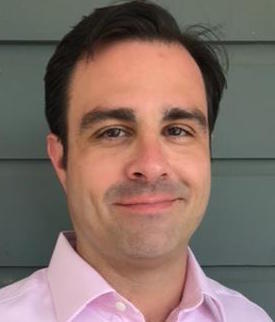
bridgemanheadshot2024.jpeg

Dr. Tess Bridgeman is Co-Editor-in-Chief at Just Security and Senior Fellow and Visiting Scholar at NYU Law School’s Reiss Center on Law and Security, where she created the War Powers Resolution Reporting Project. During the Obama administration, Bridgeman served as Special Assistant to the President, Associate Counsel to the President, and Deputy Legal Adviser to the National Security Council (NSC), where she provided legal advice on a broad range of issues relating to the national security and foreign policy of the United States.

Bridgeman previously served in the U.S. Department of State’s Office of the Legal Adviser, where she was Special Assistant to the Legal Adviser and, prior to that role, served as an Attorney Adviser in the Office of Political-Military Affairs. Bridgeman clerked for Judge Thomas L. Ambro of the Third Circuit Court of Appeals and, earlier in her career, worked as a consultant for the World Bank Inspection Panel and co-founded a food security and community development organization in Oaxaca, Mexico.

Bridgeman has a D.Phil. in International Relations from Oxford University, where she studied as a Rhodes Scholar; a J.D. from NYU Law School, magna cum laude and Order of the Coif, which she attended as a Root-Tilden-Kern Scholar, Institute for International Law and Justice Scholar, and Harry S. Truman Scholar; and a B.A. with University Distinction and Departmental Honors from Stanford University. She has taught cyber law and policy at Stanford University and lectures on national security law at Berkeley Law. She has previously chaired the Strategic Initiatives Committee of the American Society of International Law (ASIL) and serves on the Board of the Center for Arms Control and Non-Proliferation. 

You can find some of her recent publications, podcasts, congressional testimony, and online articles here:

SELECT PUBLICATIONS


CONGRESSIONAL TESTIMONY, SELECT LECTURES & PRESENTATIONS


SELECT PODCASTS

Affiliate
Date Label
Authors
News Type
News
Date
Paragraphs

CISAC co-director Amy Zegart wrote this July 11 essay in The Atlantic on what the Donald Trump Jr. emails mean:

Line by ugly line, Donald J. Trump Jr.’s emails with British-born former tabloid reporter and Russian intermediary Rob Goldstone are now plastered on The New York Times website. They reveal an astounding set of communications. Goldstone promises incriminating information about Hillary Clinton that could be used in the campaign—with the Kremlin’s backing. Junior’s response should have been to speed dial the FBI. Instead, he writes three little words with big, big consequences: “I love it.”

It’s quite a turn for the First Son. Just a few months ago, The New York Times gave him a fawning spread replete with woodsy photos. Now his association with dirt doesn’t look quite so good.

My three big takeaways from this breaking story:

1) The key word in The New York Times piece is “flurry.” There isn’t one email exchange. There are many. Trump Jr.’s email “dump” will not be the end of the story. Instead, as Churchill once said, it’s just the end of the beginning. Investigators and journalists will be following the email trail.

2) Even the emails released so far paint a damning portrait. The “we didn’t know better, we’re just amateurs” defense with respect to foreign policy—which the White House has been using to this point—will not hold up. Campaign chairman Paul Manafort attended the now-infamous June 9, 2016 meeting with Kremlin-connected lawyer Natalia Veselnitskaya. Manafort is no neophyte in this world. He has worked on multiple Republican presidential campaigns over decades. What’s more, the red line, whether it’s a legal or political one, is: “Thou shalt not work with foreign powers to gain advantage in a U.S. election.” As former FBI director Jim Comey would put it, there is no fuzz on this whatsoever. Even if the foreign power involved were the Brits and not the Russians, meeting with a foreign government to get opposition dirt for a U.S. presidential election is wrong and probably illegal.

3) It is telling that every new piece of hard information major newspapers have reported recently about the Russian meddling in the 2016 election—every single one—supports the Intelligence Community’s conclusions about it. In January, the Office of the Director of National Intelligence released the community's assessment that “Russian president Vladimir Putin ordered an influence campaign in 2016 aimed at the U.S. presidential election,” and that he and his government “aspired to help president-elect Trump's election chances when possible by discrediting Secretary Clinton.” The reporting has yet to implicate Putin himself, but Goldstone’s email citing a Russian official’s offer to “provide the Trump campaign with some official documents and information that would incriminate Hillary and her dealings with Russia,” as part of “Russia and its government’s support for Mr. Trump” is the clearest public evidence yet of the IC’s conclusion. And the emails were released by Trump Jr. himself—right before The New York Times posted them.

We need to stop saying of the intelligence community—as Donald Trump Sr. has encouraged—“These are the people who brought us Iraq WMD” and start saying, “These are the same people who found bin Laden.” In fact, Donald Trump Jr. proudly displays an American flag signed by members of SEAL Team Six—the unit that took out bin Laden—in his office. Junior should have thought harder about the kind of intel that helped the SEALs succeed—and what it might mean for his father.

Amy Zegart is co-director of the Center for International Security and Cooperation and Professor of Political Science, by courtesy. She is also the Davies Family Senior Fellow at the Hoover Institution and directs the Cyber Policy Program. She is a contributing editor to The Atlantic.

Hero Image
gettyimages 453783992
CISAC co-director Amy Zegart writes in a new essay in The Atlantic that even if the foreign power involved were the Brits and not the Russians, meeting with another government to get opposition dirt for a U.S. presidential election is wrong.
Getty Images
All News button
1
Authors
News Type
News
Date
Paragraphs

On July 7, the William J. Perry Project issued the following statement from CISAC's William J. Perry regarding the adoption of the UN Treaty to Prohibit Nuclear Weapons, which was approved by the UN on the same day: 

"The new UN Treaty on the Prohibition of Nuclear Weapons is an important step towards delegitimizing nuclear war as an acceptable risk of modern civilization. Though the treaty will not have the power to eliminate existing nuclear weapons, it provides a vision of a safer world, one that will require great purpose, persistence, and patience to make a reality. Nuclear catastrophe is one of the greatest existential threats facing society today, and we must dream in equal measure in order to imagine a world without these terrible weapons."

The UN treaty places a strong moral imperative against possessing nuclear weapons and gives a voice to some 130 non-nuclear weapons states who are equally affected by the existential risk of nuclear weapons. There is no one solution to this global threat, and there is much more work to be done beyond this treaty to reduce this risk. I call on nuclear-armed states to step up their participation in the fight against the nuclear threat by securing the eight remaining ratifications to enact the Comprehensive Test Ban Treaty, extending the New START agreement, continuing the critical work of the Nuclear Security Summits, and avoiding the unnecessary risk posed by introducing destabilizing new nuclear weapons. My hope is that this treaty will mark a sea change towards global support for the abolition of nuclear weapons. This global threat requires unified global action."

Read more about the treaty here.

William J. Perry, a former U.S. Secretary of Defense, recently joined other nuclear and diplomatic experts in writing a letter to President Trump urging diplomatic talks with North Korea; wrote a Politico op-ed on how to make a deal with North Korea; and delivered the 2017 Barnett-Oksenberg Lecture on issues between China and the United States. Perry is the director of the Preventive Defense Project at CISAC.


Hero Image
13977358106 2b7a538aa2 z
In a July 7 statement, CISAC's William J. Perry strongly supported the new UN Treaty on the Prohibition of Nuclear Weapons, describing it as "an important step towards delegitimizing nuclear war as an acceptable risk of modern civilization."
CISAC
All News button
1
Authors
News Type
News
Date
Paragraphs

The CISAC Fellowship Program is training and educating the next generation of thought leaders and policy makers in international security.

Our fellows spend the academic year engaged in research and writing, and participate in seminars and collaborate with faculty and researchers. Every summer, many complete their fellowships and move on to new career endeavors. For the 2016-17 academic year, CISAC hosted 21 fellows (the center has 399 former fellows).

Some of our fellows, in their own words, explain what they will be doing next:

Andreas Lutsch

Having spent two years as a nuclear security postdoctoral fellow at CISAC, I return to my home institution, the Julius-Maximilians-University of Würzburg, Germany. As a historian of late modern history, I do so in great gratitude for an excellent and abundantly rich scholarly experience at Stanford. Once I am back in Germany, I will publish my first book early next year, the manuscript of which I finalized at CISAC. I will also proceed to publish the manuscript of my second book, which I wrote entirely at Stanford. And I will move towards the pursuit of the so-called “habilitation,” which is required (in Germany) to qualify for a position as a full professor in my home country. 

It is not easy to put into a few words how much my CISAC experience has helped me with making progress at a crucial juncture of my career. CISAC fellowships offered me a transformative opportunity to make my research more rigorous, to think more creatively and more carefully, to appreciate interdisciplinary approaches in addressing complex problems, to improve my teaching abilities, and to establish relationships with leading scholars and specialists, which I hope will be long-lasting ties to communities at CISAC, Stanford, and the U.S.

Anna Péczeli

I have a tenured position at my institute in Hungary so I will move home in August and get back to teaching and research.

My CISAC experience was amazing, from the beginning I felt that I was part of a community here. I got much useful feedback on my research, and I really feel that my work improved in quality and I became a better researcher. I learned a lot about how to present my ideas so that it would be relevant for policy makers, and my fellowship opened new doors for me. I am grateful for this opportunity, and I am certain that I will continue to be an active member of the CISAC community wherever I go.

Eric Min

During the 2017-2018 academic year, I will remain at CISAC. As a social sciences postdoctoral fellow, I will study how international actors and third parties utilize diplomacy to manage and resolve interstate conflicts. This builds upon my broader research agenda, which uses new quantitative data and statistical methods to analyze the strategic logic of negotiations during war. 

Given that I came from a predominantly social science background, my year at CISAC was invaluable in helping me to understand the policymaking world and how my research could more effectively communicate the technicalities of my research to a broader informed yet general audience. I also learned about what kinds of pressing questions concern policymakers, which I will use to shape my future work. I look forward to meeting another group of diverse and knowledgeable individuals next year. 

Jennifer L. Erickson

This fall, I will return to my regular life at Boston College, where I am an associate professor of political science and international studies. In the upcoming academic year, I will continue to work on the research I worked on at CISAC on new weapons and the laws and norms of war and the nuclear weapons portion of my project in particular. I will also teach two sections of the Introduction to International Studies for BC undergraduates and the Field Seminar in International Politics for BC graduate students. In the fall, I also look forward to being affiliated with the Security Studies Program at MIT. 

CISAC has been a tremendous source of academic support for my research. Not only has it given me time and resources to do research and write, but it has also introduced me to new colleagues, who have generously provided insights and expertise that have improved that research. It also made it possible for me to attend events like a conference on New Dilemmas in Ethics, Technology, and War at the Air Force Academy in April 2017, the Military Immersion Map Exercise at RAND in May 2017, and the UN Conference to Negotiate a Legally Binding Instrument to Prohibit Nuclear Weapons in June 2017.

These experiences, as well as all of the opportunities to attend events and meet people at CISAC itself, will continue to shape how I think about my research and teaching and have helped me build new professional networks for the long term.

Cameron Tracy

In the next academic year, I will be a postdoc in Stanford’s Department of Geological Sciences. There, I will continue my work on the role of geologic disposal (burial) of weapons plutonium in the global arms control and disarmament regimes. I will also conduct scientific research on the manner in which nuclear materials change in response to their environments. For example, I am currently starting a project in which I attempt to determine the conditions in which uranium-bearing materials have been stored by studying the oxidation and hydration of their surfaces. This could help to determine the provenance of smuggled uranium that has been interdicted by law enforcement or security authorities. 

My fellowship at CISAC has allowed me to translate my scientific skills to the policy realm, and to greatly expand the impact of my work. I have long been interested in science policy, but lacked the resources, connections, and experience necessary to effectively analyze critical issues and to communicate the results to both scholarly and governmental audiences. Through interactions with CISAC’s resident policy experts, I learned about the role that technical analysis can play in the policymaking process.

While my transition to policy-relevant work is ongoing, my efforts have already yielded some impact on international policy, with an Australian Royal Commission report citing my work on quantifying the long-term risks associated with the burial of nuclear materials. I expect that the valuable experience and mentorship I received over the course of my CISAC fellowship will continue to inform and enhance my work at the interface of nuclear science and policy.

Jooeun Kim

I will become the Jill Hopper Memorial Fellow at Georgetown University and will be teaching a course, the History and Politics of Nuclear Proliferation, in spring 2018. From August this year, I will be a visiting scholar at the Institute for Security and Conflict Studies at George Washington University. CISAC provided me with amazing resources. I loved my intellectually stimulating meetings with my mentor Scott Sagan and other amazing scholars who opened their office doors to me. CISAC is an ‘intellectual candy store.’ I am grateful to everyone there for creating such a special environment.

Andrea Gilli

Starting July 1, I will be a postdoctoral fellow at Harvard University's Belfer Center for Science and International Affairs where I will keep working on my research about technology and international security.

The CISAC experience helped my career in three main ways. First, CISAC is a fantastic academic environment where young researchers can deal with leading scholars in a plurality of fields: the constant interactions between different views and expertise represent a unique source of intellectual growth that has helped me develop new ideas and identify new questions in my field.

Second, CISAC's activities and professional growth initiatives help fellows gain the skills and acquire the knowledge to succeed not only as an academic but also, more broadly, as public intellectual. CISAC has helped me improve my understanding of policy dynamics as well as my capacity to present to non-experts the findings of my research. Third, CISAC's "be-good" motto combined with its strong mentorship provides fellows with a perfect working environment.

Eva C. Uribe

This fall, I will be starting my position as a systems research analyst at Sandia National Lab. For my research here at CISAC, I have taken a broad, holistic look at the proliferation impact of the thorium fuel cycle. Therefore, CISAC has given me valuable experience in thinking through difficult problems using a systematic, top-down approach, which is a skill that I will take with me to my next position.

Accepting a postdoctoral fellowship with CISAC was an unconventional career move for me, personally. I got my doctorate in chemistry from UC Berkeley in 2016. Most of my peers in the chemistry department went on to conduct postdoctoral research at another university, a national lab, or in industry. A few made the leap into science policy fellowships in Washington, D.C. For me, CISAC provided a happy compromise between these two options. It allowed me the freedom to continue conducting technical research (albeit outside the chemistry lab), while still exploring the policy implications of my research.

My experience at CISAC helped my career progression in two ways. First, through targeted workshops, reading groups, and less formal daily interactions, CISAC provided me with the opportunity to view my research and interests from a different lens, that of the policymaker.  It was interesting to see my fellow fellows, of all academic backgrounds, struggling with how to translate the finer points of their academic research into policy-relevant media. I learned a lot from their experiences and challenges. The second way that CISAC has helped my career progression was through exposure to others who have done this transition successfully. This was achieved through fantastic seminar series, as well as through daily interaction with faculty and fellows here at CISAC. Speaking with people who have worked at high levels in Washington, D.C. made me realize that I would prefer to continue doing policy-relevant academic and technical research in nuclear science, rather than to transition to policy completely.

Fellowship information

Current fellowship opportunities at CISAC include: 

•  Social Sciences or Humanities International Security Fellowship

•  Natural Sciences or Engineering International Security Fellowship

•  Cybersecurity and International Security Fellowship

•  Law and International Security Fellowship

•  Nuclear Security Fellowship

•  William J. Perry Fellowship in International Security

For more information about CISAC fellowships, email cisacfellowship@stanford.edu.


Hero Image
31666250914 1d97f7160b o
Fellows at the Center for International Security and Cooperation participated in a January 2017 seminar with Air Force Gen. John Hyten, commander of the U.S. Strategic Command. The talk was titled, “U.S. Strategic Command Perspectives on Deterrence and Assurance.”
CISAC
All News button
1
Authors
News Type
News
Date
Paragraphs

Congratulations to CISAC honors program Class of 2017! On June 16, students in the CISAC Interschool Honors Program in International Studies graduated in a conferral of honors ceremony on the front lawn of Encina Hall. 

We are proud to add our 12 new graduates to our expanding list of graduates from the program since it began in 2001. In total, CISAC has 193 alumni in honors. For the students, their graduation reflects an intellectual adventure that included a two-week honors college program in Washington D.C., tours of government agencies, meetings with influential policy makers, and weekly seminars with CISAC faculty. Honors students are also required to research and complete an original thesis on an important national security issue.

The 2017 program was co-directed by Martha Crenshaw and Chip Blacker. Crenshaw said, "We stress hard work, independent thinking, intellectual honesty, and courtesy and civility.  Our students are critical without being disrespectful, open to new ideas and ways of thinking, and self-made experts in the subjects they have chosen."

In his remarks, Blacker said several features of the CISAC program make it distinctive. "These include the diversity of the disciplines represented by the student's major fields of study, which range this year from political science, history and international relations, on the one hand, to computer science, energy systems engineering, and materials science and engineering, on the other. ..." 

While each project is different, "they all share the unifying and overarching themes of advancing the international security agenda and having value and utility in policy terms," Blacker said. The program, he added, places a "premium on knowledge of the real world, and of the art and science of policymaking in particular, coupled with intensive training in research and writing."

During the conferral ceremony, CISAC honors teaching assistant Shiri Krebs read statements from the students' thesis advisors regarding their final papers. Read below for those comments:


Ken Ben ChaoKen-Ben Chao

A New Journey to the West: The Shanghai Cooperation Organization and Chinese Foreign Policy

Thesis Advisor: Coit. D. Blacker

"What is the Shanghai Cooperation Organization and, to be blunt, why should we care? In essence, this is the question that Ben Chao seeks to answer in this thoughtful, comprehensive and well-written senior thesis. Ben’s answer, like the question, comes in two parts. The Shanghai Cooperation Organization, he tells us, is neither an emerging alliance nor a diplomatic “talk shop.” Rather, it has been – and it continues to be – a subtle instrument of Chinese foreign policy that has waxed and waned in importance since its creation in 2001 depending on Beijing’s assessment of the international security environment. In Ben’s judgment, this is reason enough for us to care and for us to pay attention. Ben’s thesis is a superior piece of scholarship that tells us a great deal about something most of us know little about and does so in an informed and wonderfully entertaining way."


Image
Marina Elmore
Marina Elmore

When Things Are Not What They Seem: Explaining the Success of Countering Violent Extremism in Los Angeles

Thesis Advisor: Martha Crenshaw

"A policy of countering violent extremism and radicalization, known as “CVE,” was a hallmark of the Obama Administration as it struggled to respond to the threat of “homegrown” jihadist terrorism. But what is CVE? And is it effective? These questions motivated Marina Elmore’s fascinating inquiry into the apparent success of the Los Angeles program, highly praised as a model on the national level. Marina probed deeply into the case to discover that special circumstances predetermined the outcome and that the model was not easily transferable to other cities. For one thing, Los Angeles did not actually face a challenge of violent extremism because it lacked a population susceptible to the appeal of jihadist propaganda. For another, the city had already implemented most of the newly prescribed CVE “best practices,” such as community policing, in efforts to solve earlier social and political problems. Marina’s conclusions are astute, balanced, and fair, and she persuasively demonstrates both how important it is to test commonly held assumptions and how difficult it is to establish standards for policy effectiveness in the counterterrorism field."


Gabbi FisherGabbi Fischer

Towards DIUx 2.1 or 3.0? Examining DIUx’s Progress Towards Procurement Innovation

Thesis Advisors: Herb Lin, Dan Boneh

"In 2015, Secretary of Defense Ashton Carter announced the creation of Defense Innovation Unit Experimental (DIUx).  Through some great case-based work, Gabbi cuts through the complexity of the traditional acquisition system to observe that DIUX fills two important niches in the defense innovation ecosystem: it facilitates connections between DoD users and the tech community and it exercises non-traditional acquisition authority (called Other Transaction Authorities (OTAs)) to expedite contracting.  But she also cautions that the use of OTA may not be compatible in the long run with the traditional acquisition system, and suggests that future DIUX efforts may have to take advantage of other existing acquisition authorities (which do exist but which are rarely used) to make further progress in improving the coupling between the tech sector and the DoD.  She makes also substantive recommendations that DIUX should take seriously if it wants to survive in the long term."


Wyatt HoranWyatt Horan

Evaluating the U.S. Foreign Policy Institutions in Permitting a Coercive Russian Energy Policy

Thesis Advisor: Coit D. Blacker

"Following the twin “oil shocks” of the 1970s, the U.S. Government moved effectively to reduce the potential economic and political impact of any future such events by reorienting and reshaping key foreign policy institutions. When, thirty years later, the Russian government under Vladimir Putin began to manipulate Russian deliveries of natural gas to its customers in Europe, the U.S. failed to respond in a focused, deliberate and coordinated way. In this provocative senior thesis, Wyatt asks whether the clumsy American response to Russia’s manipulation of this vital energy resource contributed to Moscow’s alarming behavior. He answers in the affirmative and by so doing forces us to think hard about how seemingly obscure organizational issues impact the effectiveness of U.S. foreign policy. Wyatt’s thesis is bold and a little unsettling. It also reads like a detective novel, which is a tribute to the author’s willingness to run risks in search of a good story."


Tori KellerTori Keller

The Rise and Fall of Secular Politics in Iraq

Thesis Advisor: Lisa Blaydes

"As you know from interacting with Tori over the past year(s), she is a passionate – almost obsessively curious – student of contemporary Iraqi politics. Her drive to understand the case has led her to write a normatively-motivated, policy-relevant thesis on the failure of democratic consolidation in Iraq. Her research suggests that a non-sectarian political future for Iraq was possible; the historical antecedents for such a vision existed. But as a result of a combination of US missteps, Iranian interference and, most importantly, the way these factors manifested into an insecure security environment, secular parties never really had a real chance to succeed even if a plurality of voters supported such an outlook. To write this thesis, Tori invested in her own human capital development in impressive ways. She studied Arabic, learned ArcGIS mapping software, collected original data, and undertook statistical analysis – deploying the skills she had acquired in her four years at Stanford with the goal of answering this research question. In the end, I believe she has the right answer as well. If there was any doubt left in her mind about whether she got it “right,” I feel confident that she would still be puzzling through the research today."


Alexander LubkinAlexander Lubkin

Plutonium Management and Disposition in the United States: History and Analysis of the Program

Thesis Advisor: Rod Ewing

"Alex’s thesis examines the issues related to the failure of the U.S. program for the disposition of excess plutonium from dismantled nuclear weapons. Based on his survey of the literature and interviews with key actors in this program, Alex analyzed the U.S. program and has made a number of important observations and conclusions concerning the causes for the failure of the U.S. program. His most significant conclusion is that one of the major causes of failure was that the U.S. program to use irradiated MOX fuel for the disposition of the plutonium was not consistent with U.S. nuclear policy. The U.S. is pursuing an open nuclear fuel cycle, and thus has limited experience with large scale processing of radioactive materials and the fabrication of MOX fuel. Alex was able to identify a number of other issues, such as over reliance on cost and schedule estimates of the different strategies and a failure to utilize advances in materials science for the development of actinide waste forms. I am very impressed with Alex’s dedication to this research project, and his persistence in the review of an often confusing and obscure literature. We have met regularly over the past year. I outline broad areas that he might investigate, but then he took these ideas and developed them according to his on evaluation of a variety of different sources. He also did an exceptional job of synthesizing the information from the interviews into an interesting and informative chapter in his thesis. Alex’s research will be the basis for a publication, but most importantly, he has opened the door to a whole series of policy issues that require more detailed analysis. He has certainly educated me on a number of these issues."


Jian Yang LumJian Yang Lum

To Bomb or Stab? The Impact of Ideology and Territorial Control on Rebel Tactics

Thesis Advisors: Joseph Felter, Jeremy Weinstein

“Lumpy” as we know him- explores how rebel groups’ ideology and degree of territorial control affect the type of violence they choose to employ in pursuit of their aims. Using fine grained conflict data and case studies from thirty-six years of insurgency and counterinsurgency in the Philippines, Lumpy finds both quantitative and qualitative evidence in support of the predictive model he develops in his thesis. In sum, rebel groups with weaker ideological commitment and more limited control of the territory they operate in are more likely to initiate indiscriminate attacks such as bombings and employment of improvised explosive devices. More ideologically committed rebels, and those exercising greater territorial control, initiate violence that is comparatively more discriminate such as targeted raids and assassinations. The human toll and economic costs incurred by civil war and insurgency around the world are staggering and continuing to mount. There is an urgent need for policy relevant scholarship that increases our understanding of the local level violence associated with these deadly conflicts and how states can better anticipate and respond to these threats. Lumpy’s thesis makes a significant contribution to these important ends."


Elizabeth MargolinElizabeth Margolin

Should I Retweet or Should I Go? Pro-ISIS Twitter Communities and American Decapitation Strategy

Thesis Advisors: Martha Crenshaw, Justin Grimmer

"There are many studies of the U.S. Government’s use of military force in “decapitation” strikes against terrorist leaders, particularly the effects of these strikes on levels of violence and degree of organizational cohesion. Researchers have also analyzed the relationship between social media and terrorism generally. But the specific question of the social media reactions of jihadist sympathizers to decapitation strikes directed against Islamic State leaders was neglected until the idea occurred to Eli Margolin, who took it up as the subject of her honors thesis. This difficult, demanding, and often frustrating research project required Eli to master new cutting-edge analytical methodologies and struggle to acquire elusive data from the archived Twitter accounts of now banned users, obstacles that she overcame with impressive ability, determination, and sophistication. After extensive and thoughtful consideration of three carefully selected cases, she found that Twitter followers of jihadist causes react quite differently to the deaths of different types of terrorist leaders. Her intellectual ambition and tenacity produced a thesis that is excellent in terms of conceptualization, analytical rigor, and empirical foundation."


Lauren NewbyLauren Newby

From Zero to Sixty: Explaining the Proliferation of Shi’a Militias in Iraq after 2003

Thesis Advisor: Martha Crenshaw

"Why has there been a sharp increase in the number of Shia militias in Iraq, a troubling development that may jeopardize Iraqi progress toward stability and democracy? Lauren Newby could not find a good answer in her review of the theoretical literature, so she proposed an original one of her own. Most scholars attribute the proliferation of violent non-state actors to the fragmentation of existing groups through splintering and splitting, whereas Lauren shows that in Iraq the increase is due to the emergence of new groups. Researchers typically focus on groups directly opposing the state, whereas the Iraqi militias side with the incumbent government. Most studies are limited to groups operating in a single bounded conflict zone, whereas the politics of Iraq and Syria are linked. Lauren concludes that the Syrian civil war has been a major impetus for the formation of Shia militias in Iraq and that most are established by Iraqi political parties. Her thesis is exemplary in making a clear and convincing claim, contrasting it to alternative explanations, and providing new supporting evidence from primary sources."


AAnhViet NguyennhViet Nguyen

Territorial Disputes in Court: Power, Compliance, and Defiance

Thesis Advisor: Kenneth Schultz

"In the wake of the arbitration ruling over the China-Philippines dispute in the South China Sea, AnhViet wanted to understand what the prospects were for this ruling to help resolve the conflict. To do so, he placed this case in the context of other territorial disputes that have involved great powers or states who were significantly more powerful than their adversaries. This led to the central research questions: why and under what conditions do great powers comply with adverse court rulings over territorial issues? The thesis draws nicely on the existing literature to articulate several hypotheses and then tests these hypotheses using a variety of methods. Case studies of the US-Mexico dispute over the Chamizal tract and the Nigeria-Cameroon dispute over the Bakassi Penninsula show that great powers who initially reject adverse court decisions might later find these rulings to be a convenient basis for settlement. He also makes a very important and sophisticated point that great power compliance with court rulings may reflect their ability to keep high salience issues off the agenda. The conclusion is mildly optimistic about the prospects for (eventual) compliance while remaining appropriately clear-eyed about the limits of international law in this context. Overall, AnhViet does an admirable job blending theoretical material, historical case studies, and large n data to develop his argument. Moreover, his application of these lessons to the contemporary case of the South China Sea dispute is nuanced and compelling. In short, AnhViet’s thesis represents an excellent example of how academic research can be made relevant to current policy issues."


Thu-An PhamThu-An Pham

On Treaties and Taboos: U.S. Responses to International Norms in the NPT and Genocide Convention (1945-1999)

Thesis Advisor: David Holloway

"Thu-An Pham has written an outstanding thesis on the role of norms in international relations. The United States has not tried strenuously to enforce the Genocide Convention of 1948, which calls for the prevention and punishment of genocide. It has, however, actively sought to enforce the nonproliferation norm expressed in the Nuclear Nonproliferation Treaty of 1968. What explains the difference? On the basis of a subtle theoretical analysis and detailed empirical research, Thu-An offers three answers. First, the Nonproliferation Treaty is better supported than the Genocide Convention by institutions that monitor and enforce compliance. Second, the United States has regarded the norm of nuclear nonproliferation as more important for its national security than the ban on genocide. And third, the nonproliferation norm supports the current international order, which is based on the primacy of states in international relations. The Genocide Convention, by contrast, threatens to weaken the foundations of that order by challenging the primacy of states. Thu-An’s thesis suggests that there are limits on the role that international norms can play in a system of states. This is a wonderful thesis on a crucial issue in international security."


Jack WellerJack Weller

Counting the Czars: Extra-Bureaucratic Appointees in American Foreign Policy

Thesis Advisor: Amy Zegart

"White House czars are frequently discussed in the press, but most people don’t really know what they are and very few scholars have studied them. Yet the use of czars has serious implications for the presidency—signaling when the regular bureaucracy cannot get the job done. Jack Weller’s thesis provides a novel and important contribution to the study of the American presidency. He compiles an original dataset of every foreign policy czar created during the past 100 years and examines alternative explanations for why some presidents used czars more than others. He finds something surprising: czar creation is NOT driven by the individual management style of the president. Instead, it is driven by the external threat environment. Presidents facing simultaneous wars – as FDR did in World War II and George W. Bush did after 9/11 – are more likely to create czars than others. Jack’s thesis is beautifully written and masterfully argued, earning him the honor of being Stanford’s czar of czars."


Hero Image
rsd17 054 0201a
The 2017 CISAC honors program, from top left, second row: Elizabeth Margolin, Jack Weller, Marina Elmore, Alex Lubkin, Thu-An Pham, Lauren Newby. First row, from the left: Gabby Fisher, Tori Keller, Professor Martha Crenshaw, AnhViet Nguyen, substitute instructor Dr. Gil-li Vardi, Jiang Yang Lum, teaching assistant Shiri Krebs, Wyatt Horan, Ken "Ben" Chao, and Professor Chip Blacker.
Rod Searcey
All News button
1
Authors
News Type
News
Date
Paragraphs

Andrew J. Grotto, a former top National Security Council cybersecurity official in the White House, will join Stanford’s Center for International Security and Cooperation this summer.

Grotto will hold the William J. Perry International Security Fellowship and serve as a research fellow at the Hoover Institution. His appointment is for two years, and he will also be a fellow in the Stanford Cyber Initiative

Cybersecurity focus

Grotto has been involved in virtually every major U.S. cyber policy initiative of the past nine years, from his time on Capitol Hill through his tenure in the Obama Administration as Commerce Secretary Penny Pritzker's senior advisor on technology policy, and to his recent service for two presidents as senior director for cyber policy at the National Security Council. 

Amy Zegart, CISAC's co-director for the social sciences and a senior fellow at the Hoover Institution, said, "Grotto is one of the world's leading cyber policymakers. He brings deep knowledge, penetrating insights, and experience at the highest levels on issues ranging from trade to espionage to cyber warfare. We are delighted to have him join the cyber community at CISAC and Hoover."

In an interview, Grotto said that cyber policy remains underdeveloped as a distinct policy domain. And that has drawn him to CISAC, he noted, “for its commitment to becoming a leading institution supporting the development of this domain.”

Image
image1
Grotto added, “In more established national security domains, such as nonproliferation and counterterrorism, there is a well-developed corpus of scholarly work, historical precedent, and practical experience within the domain that we can draw from to inform, contextualize and evaluate policy decisions. This corpus is still thin with respect to cyber policy making. We don’t have the luxury of waiting decades to create this corpus for cyber – we need to develop it quickly.” 

Grotto first became familiar with CISAC's work during an earlier phase of his career when he focused on U.S. policy towards nuclear weapons - how to prevent their spread, and their role in U.S. national security strategy. CISAC core faculty member Scott Sagan was an early mentor of Grotto’s and first exposed him to CISAC and its scholarly work. Grotto describes the center as a “first-rate research institution at a world class university, with great people. I'm thrilled to be a part of it.”


Topics to explore

Cybersecurity policy is a vast field, Grotto said, because virtually every national security challenge facing the country has a cyber dimension to it. 

“I'd be hard pressed to identify a single directorate within the National Security Council that my team and I did not at some point work with on a ‘cyber and…’ problem: cyber and the financial services sector, cyber and the electric grid, cyber and global economic competitiveness, cyber and China, to name a few. So, there's no shortage of cyber-related topics to write on,” he said. 

Several policy problems stand out as foundational for Grotto, and these will be the focus of his research and writing while at CISAC:

• Development of analytic frameworks for defining the dimensions and boundaries of private sector responsibility, especially infrastructure, for defending against cyber threats, versus the government’s responsibility, and using these frameworks to evaluate cybersecurity regulation and identify opportunities and challenges for more effective cybersecurity partnerships between the government and the private sector.

• Cyber-enabled information operations as both a threat to, and a tool of statecraft for, liberal democracies.

• Opportunities and constraints facing offensive cyber operations as a tool of statecraft, especially those relating to norms of sovereignty in a digitally connected world. 

For example, Grotto explained, an adversary physically located in Country X may have cyber infrastructure in Country Y and Country Z, such that an operation against that adversary generates effects in one or more third countries. “How we approach this ‘third country’ issue will have dramatic ramifications for the practical role of offensive cyber operations in U.S. national security strategy,” he noted.

• Governance of global trade in information technologies, especially cybersecurity-related regulation, norms of behavior in cyberspace for governments and private actors, and the appropriateness of applying traditional arms control tools such as export controls to limit the proliferation and use of malicious cyber capabilities.

National Security Council highlights

Grotto said working at the National Security Council was “a privilege of a lifetime. It was the most challenging and intense job I have ever had, and easily the most rewarding.” 

His portfolio spanned a range of cyber policy issues, including defense of critical infrastructure—financial services, energy, communications, transportation, health care, electoral infrastructure, and other vital sectors—cybersecurity risk management policies for federal networks, consumer cybersecurity, and cyber incident response policy and incident management. He also covered technology policy topics with a nexus to cyber policy including encryption, surveillance, privacy, Internet of Things, and the national security dimensions of artificial intelligence and machine learning. 

Grotto said his first job out of graduate school was at a prominent Washington, D.C. think tank. “I viewed it as a waypoint on the path to becoming a law professor, and an academic career focused on international trade law and policy,” he said.

There he was surrounded by people who had served in government, and their “passion for public service was infectious,” he recalled.

He left the think tank to join the Professional Staff of the Senate Select Committee on Intelligence, where he served as then-Chairman Dianne Feinstein’s (D-CA) lead staff overseeing cyber-related activities of the intelligence community and all aspects of NSA’s mission. He also served as committee designee first for Senator Sheldon Whitehouse (D-RI) and later for Senator Kent Conrad (D-ND), advising the senators on oversight of the intelligence community, including of covert action programs, and was a contributing author of the “Committee Study of the Central Intelligence Agency’s Detention and Interrogation Program.”

In 2013, he left the committee to become Commerce Secretary Penny Pritzker’s senior advisor on technology policy, advising Pritzker on all aspects of technology policy, including Internet of Things, net neutrality, privacy, national security reviews of foreign investment in the U.S. technology sector, and international developments affecting the competitiveness of the U.S. technology sector.

While serving on the NSC, Grotto played a key role in shaping President Obama’s Cybersecurity National Action Plan and driving its implementation. He was also the principal architect of the Trump Administration's cybersecurity executive order, “Strengthening the Cybersecurity of Federal Networks and Critical Infrastructure.”

During his time on Capitol Hill, he led the negotiation and drafting of the information sharing title of the Cybersecurity Act of 2012, which later served as the foundation for the Cybersecurity Information Sharing Act that President Obama signed in 2015.

Grotto received a master’s degree in public administration from Harvard University, a law degree from UC Berkeley, and a bachelor’s degree in philosophy from the University of Kentucky.

MEDIA CONTACT:

Andy Grotto, Center for International Security and Cooperation: grotto@stanford.edu

Clifton B. Parker, Center for International Security and Cooperation: 650-725-6488, cbparker@stanford.edu


Hero Image
gettyimages 646068058
Andrew J. Grotto, a former top National Security Council cybersecurity official, will join Stanford’s Center for International Security and Cooperation this summer.
Getty Images
All News button
1
Paragraphs

This is a chapter in the second edition of The National Security Enterprise, a book edited by Roger Z. George and Harvey Rishikof that provides practitioners' insights into the operation, missions, and organizational cultures of the principal national security agencies and other institutions that shape the U.S. national security decision-making process. Unlike some textbooks on American foreign policy, it offers analysis from insiders who have worked at the National Security Council, the State and Defense Departments, the intelligence community, and the other critical government entities. The book explains how organizational missions and cultures create the labyrinth in which a coherent national security policy must be fashioned. Understanding and appreciating these organizations and their cultures is essential for formulating and implementing it. Taking into account the changes introduced by the Obama administration, the second edition includes four new or entirely revised chapters (Congress, Department of Homeland Security, Treasury, and USAID) and updates to the text throughout. It covers changes instituted since the first edition was published in 2011, implications of the government campaign to prosecute leaks, and lessons learned from more than a decade of war in Afghanistan and Iraq. This up-to-date book will appeal to students of U.S. national security and foreign policy as well as career policymakers.

All Publications button
1
Publication Type
Books
Publication Date
Journal Publisher
Georgetown University Press
Authors
Thomas Fingar
Authors
Amy Zegart
News Type
News
Date
Paragraphs

CISAC's co-director Amy Zegart wrote this essay, "James Comey's 'Shock and Awe' Testimony," for The Atlantic in its June 8 edition and was also quoted in this Stanford News Service article:

Imagine that two years ago, you sequestered a jury of 12 Americans, kept them in a news-free zone, and brought them today to hear former FBI Director James Comey testify before the Senate Intelligence Committee. Chances are that all of them—no matter what their political beliefs—would be stunned and outraged.

From the perspective of one of these Americans, Comey dropped bombshell after bombshell: The Russians are mucking around in American democratic elections, trying to change how we think, how we act, how we vote—and they will be back. The attorney general cannot be trusted to ensure impartial enforcement of the law. The president fired the FBI director and then lied about why he did it. Yet by the time Comey said these things in an open hearing, all of it was old news. It should have been more shocking than it was, but on some level, Americans were used to it.

Some historical context here is important. Only one FBI Director has ever been fired since J. Edgar Hoover took the job back in 1924: William Sessions, who was sacked by President Bill Clinton in 1993 after the Justice Department's own Office of Professional Responsibility found so many severe ethical lapses, they filled a 161-page report. It included schemes to avoid paying taxes, using government funds to build an expensive home fence that actually reduced the security of the property, using FBI resources for personal purposes, and involving his wife, Alice, in bureau management in “entirely inappropriate” ways. Comey, by contrast, was fired by President Trump for doing his job. Big difference. One was miscarrying justice and abusing power; the other was carrying out justice and speaking truth to power.

Similarly, the only episode in recent history approximating the cloud hanging over the attorney general’s office occurred during the Watergate scandal. That attorney general chose to resign rather than fire White House special prosecutor Archibald Cox and impede an investigation reaching into the White House. This attorney general, by contrast, appears to be implicated in an investigation that reaches into the White House.

Finally, never in American history has a foreign power so deliberately, powerfully, and maliciously tried to distort the cornerstone of American democracy. Comey sent this point home in the hearing, declaring, “There should be no fuzz on this whatsoever. The Russians interfered in our election during the 2016 cycle. They did it with purpose. They did it with sophistication. They did it with overwhelming technical efforts. … It is a high confidence judgment of the entire intelligence community. ... It's not a close call.”

Comey’s testimony delivered a “shock and awe” campaign, FBI-style: calm, cautious, and candid, at once stoic and relatable. It was as though Comey were trying to reach through our television sets and shake the body politic into our collective senses.

And yet, his shock and awe testimony may not shock and awe for long. The biggest story of the day is how unlikely this is to remain the biggest story. In all likelihood, after the Twittersphere dies down, partisans will retreat to their respective corners and business as usual will return to Washington.

Why?

Because of something called the “normalization of deviance:” the more frequently exceptional things happen, the less we think of them as exceptional.  Over time, we become desensitized to events that fall far outside the normal range—often with disastrous consequences. The space shuttle Challenger exploded in 1986 despite previous shuttle launches that revealed O-ring seals in the shuttle’s rocket boosters were cracking in cold weather. They shouldn’t have been cracking at all. But NASA “normalized” the poor performance of O-rings as acceptable and okayed the launch, even with record low temperatures forecast for liftoff. Seven astronauts, including Christa McAuliffe, the first teacher in space, were killed.

We experience the normalization of deviance in daily life, too. Ever hear a funny noise in your car? The first time, it seems alarming. After living with it for a few days, however, you think it must not be so serious after all. You tell yourself the car seems to be running just fine. You grow accustomed to the noise. After a while you don’t notice it anymore. And maybe the car really is fine. Or maybe the funny noise is an indication that the car is about to experience a catastrophic breakdown (which is what happened to me one night, when I assumed a strange noise in my car was really nothing, until the car broke down on the freeway, at night, in Los Angeles, “without warning.”)

The Trump era has brought the normalization of deviance to politics. In four short months, this administration’s national-security advisor has had to resign in disgrace for lying about his contacts with Russians and now faces possible criminal charges. The attorney general is so tainted by his own Russian-related activities that he has had to recuse himself from the bureau’s investigation of Russian-related activities. And the FBI director, who by law serves a 10-year term precisely to ensure independence from the president, was fired by the president because he was independent. This is bizarro world. Any one of these events would in normal times be enough to bring down a president. And yet senators today were talking about whether President Trump’s exact words to Jim Comey constituted a hope, a wish, an order, a directive, a threat, or as one senator characterized it, simply a “light touch” approach.

Comey was right about one thing: The Russians “are coming after America.” They may not have to. In this era of normalized deviance, we are defeating ourselves.

Read Amy Zegart's comments and those from other Stanford faculty in this Stanford News Service article.

Hero Image
gettyimages 693800194
Former FBI Director James Comey moves from an open hearing to a closed hearing during a break in testimony before the Senate Intelligence Committee in the Hart Senate Office Building on June 8, 2017 in Washington, DC. CISAC's Amy Zegart says Comey was right about one thing: The Russians “are coming after America.” They may not have to, she added -- in this era of normalized deviance, we are defeating ourselves.
Chip Somodevilla/Getty Images
All News button
1
News Type
News
Date
Paragraphs

(The following interview with CISAC's Siegfried Hecker appeared in the May 15 issue of the Bulletin of the Atomic Scientists.)

By Elisabeth Eaves

Siegfried Hecker has the rare distinction of being an American who has visited both North Korean and Russian nuclear facilities. An expert on plutonium science and a professor at Stanford University’s Center for International Security and Cooperation, Hecker is also a former director of the Los Alamos National Laboratory. Here he answers questions on Pyongyang’s nuclear capabilities, its most recent missile test, and what influence the new president of South Korea might have on the regional balance of power. He explains how North Korea developed its arsenal despite global opposition, and says there is no conceivable way the United States can destroy all North Korean nuclear weapons with military might.

BAS: Is North Korea currently capable of delivering any nuclear weapons any distance? How do you know?

SH: We know they have nuclear weapons that work because they have tested five nuclear devices over a period of 10 years. That test experience most likely enables them to miniaturize nuclear warheads to make them small and light enough to mount on missiles. They have also demonstrated over many years that they can launch relatively short-range missiles reliably. We have to assume they can mate the warheads and the missiles so as to reach targets anywhere in South Korea and Japan.

BAS: What does Pyongyang’s most recent missile test, which took place on Sunday, tell us about their capabilities and intentions?

SH: The missile experts are still analyzing the test as North Korea releases details and photos. However, they already agree that this missile outperformed any previous North Korean missile launch. It is reported to have traveled nearly 800 kilometers (497 miles) for 30 minutes (splashing down in the Sea of Japan south of the Russian border) and reached an altitude in excess of 2000 km (1243 miles). Since it was launched in a lofted trajectory, it may be able to travel at least 4,000 km (2486 miles) if launched on a standard trajectory. 

This would make it a real intermediate-range ballistic missile that puts Guam within range. But the more important objective of this test was to move North Korea closer to having an intercontinental ballistic missile (ICBM). 

BAS: What sequence of events might lead Kim Jong-un to launch a nuclear attack on one of its neighbors like South Korea or Japan? 

SH: I cannot imagine any circumstance that would lead Kim Jong-un to launch an unprovoked nuclear attack on anyone. However, we know so little about him and even less about the military that controls the country’s strategic rocket forces that we can’t rule out a miscalculation or a desperate response to a crisis. It is conceivable that they believe a small nuclear weapon could be used to de-escalate or terminate a conventional confrontation on their terms. 

BAS: How big is the largest nuclear bomb tested by North Korea, and can you give a sense of the level of damage such a bomb would cause? 

SH: The highest yield of the North Korean tests to date is in the range of 15 to 25 kilotons—an explosive power similar to the bombs that destroyed Hiroshima and Nagasaki, causing roughly 200,000 immediate fatalities and lingering radiological health effects for many survivors. If such a weapon were to be exploded over Seoul, it is possible that several hundred thousand people or more would perish. 

BAS: If Pyongyang were to attack South Korea or Japan, what would be the immediate and longer-term effects?

SH: The immediate effects would be horrific, the longer-term effects catastrophic. If several bombs exploded over South Korean or Japanese cities, there could be a million or more casualties. Beyond that, the cities would face massive evacuations and long-term building and grounds decontamination efforts. Dangerous radioactive clouds would drift over South Korea, Japan, China, or Russia, depending on the wind flow. An international order would be destroyed. 

BAS: How close is North Korea to being able to attack somewhere as far distant as the United States with a nuclear weapon? What technical leaps does it need to make to achieve that capability?

SH: I believe that North Korea does not yet have the capability to reach the US mainland with a nuclear-tipped missile. It has a very sparse and not very successful long-range rocket test history, although the missile test on Sunday brings it somewhat closer. Its solid-fueled rockets, which are of greatest concern because they can be launched quickly and from hidden locations, have failed regularly. It will need to miniaturize warheads to a much greater extent than it is currently likely capable of doing, and the warheads will have to survive the stresses at launch and the high temperatures and stresses during re-entry. At the current pace, North Korea may be able to make the technological progress required for a nuclear-tipped ICBM in five or so years. 

One corollary question that one must ask, however, is why would North Korea want to strike the US mainland? It is quite clear that it wants to threaten Washington with such a capability, but to launch would be suicidal, and I don’t believe the regime is suicidal. 

BAS: Besides being able to threaten the United States and its allies, what else could the Kim regime be trying to accomplish with its nuclear weapons?

SH: We need to look closely at how the North’s growing nuclear arsenal may change its domestic policies and foreign relations. Domestically, the nuclear arsenal may help justify the regime’s continued call for sacrifice by its citizens. But it may also provide a more solid foundation for the state’s security, allowing it to devote more resources to economic growth. Foreign visitors have reported that living conditions in Pyongyang have improved markedly in the past few years despite international sanctions. Kim Jong-un has officially promoted the dual policy of military and economic growth. 

Looking abroad, the regime’s nuclear arsenal could make it more aggressive in dealings with South Korea and the rest of the region. We have not seen a return to the North’s especially aggressive behavior of the late 1960s. Nevertheless, being one of fewer than 10 states in the world with nuclear weapons may change Pyongyang’s foreign policy toward its neighbors. And we don’t know how possessing a nuclear arsenal will affect the regime’s behavior in a crisis. 

BAS: Is it plausible that a US pre-emptive strike could destroy all North Korean nuclear weapons, fissile material, and nuclear production facilities? Why or why not?

SH: There is no conceivable way the United States could destroy all North Korean nuclear weapons. It is not possible to know where they all are. Even if a few could be located, it would be difficult to destroy them without causing them to detonate and create a mushroom cloud over the Korean peninsula. 

It is even less likely that the United States could locate and demolish all of the North’s nuclear materials. Missile launch sites could be destroyed, nuclear test tunnels could be bombed, production sites could be destroyed, and North Korean missiles could possibly be intercepted after launch. But North Korea is developing road-mobile and submarine-launched missiles, which cannot be located reliably. New test tunnels can be dug. And while we know North Korea has covert production facilities, we don’t know where they are. The US military may not be able to intercept missiles after launch. The bottom line is, military strikes could be used to set back the North Korean nuclear program but not to eliminate it.

Moreover, I believe the US and South Korean governments consider the consequences of any military intervention unacceptably high—in spite of the proclamation that “all options are on the table.” I believe the military option will only really be on the table if North Korea initiates military actions. 

BAS: There is talk that North Korea is about to conduct a sixth nuclear test. What do you make of these reports? Do you have any insight into what to expect?

SH: North Korea has ample technical reason to test again as it moves toward developing a credible nuclear-tipped ICBM. The test site appears to be ready. I believe the only thing that inhibits them from testing is the political fallout they would face—particularly from China and the new South Korean administration.

BAS: You recently estimated that North Korea has 20 to 25 nuclear weapons. How do we know?

SH: My estimate that it has sufficient plutonium and highly enriched uranium for 20 to 25 nuclear weapons is highly uncertain because we know so little about its uranium enrichment capacity. All estimates are to a large extent based on the observations my Stanford colleagues and I made during my last visit to Yongbyon in November 2010. To my knowledge, no outsiders have been in their nuclear complex since. So the only direct evidence we have is from that 30-minute tour and discussions with their experts at the centrifuge facility. The rest of the estimate is based on indirect evidence—that is, satellite imagery, and what North Korea chooses to publicize, combined with modeling of their capabilities and acquisitions. 

BAS: North Korea carried out its first nuclear test in 2006. How was it able to go from that widely condemned first test to today’s arsenal despite global opposition? 

SH: How they developed a threatening nuclear arsenal despite global opposition is a sad reflection on unwise US policies and the international community’s approach to preventing nuclear proliferation. Controlling the supply side of proliferation has been the predominant international mechanism for halting nuclear weapons development, but it failed terribly in the North Korean case. The international export system is leaky enough that a determined government can develop indigenous bomb-building capabilities over time. In North Korea, this process was exacerbated by the fact that once they built the Bomb, sanctions and isolation allowed them to build a whole arsenal instead of forcing them to give it up.

Insufficient attention has been paid to the demand side—that is, to why states want nuclear weapons and what can be done to influence the decision to acquire them. In the North Korean case, the Clinton administration greatly slowed North Korea’s drive to the Bomb with diplomacy. The Bush administration rejected diplomacy, but was unprepared for the consequences. It stood by while North Korea built a nuclear weapon. Subsequent attempts at diplomacy amounted to too little, too late. (This should serve as a lesson on the Iran nuclear agreement: if you kill a deal, you better be prepared for the consequences). The Obama administration was greeted with a North Korean nuclear test in 2009 and was never able or willing to pursue diplomacy effectively. It relied on two tactics, imposing sanctions and pressuring China, while North Korea continued to build its arsenal. Washington and Beijing never got on the same page on how to deal with Pyongyang. 

BAS: South Korea just elected a new president who takes a more conciliatory approach to North Korea than his predecessor. How might this affect the North’s nuclear activities?

SH: In the end, the Korean peninsula nuclear crisis has to be resolved to the satisfaction of the Korean people. South Korean President Moon Jae-in favors diplomatic engagement with North Korea. I believe that at this point, it is imperative for Seoul and Washington to craft a unified strategy on North Korea and speak with one voice. That voice should reflect the new South Korean president’s views on finding a diplomatic resolution. I hope that the Trump administration will support President Moon, and that Pyongyang won’t pre-empt diplomacy with a nuclear or long-range missile test. 

BAS: If you were advising president Trump, what would you tell him to do in the next month regarding North Korea? In the next six months? The next year?

SH: In the next few weeks, after consultation with President Moon, President Trump should send an envoy to Pyongyang to tackle the most immediate danger—that is, to avoid a nuclear detonation on the Korean peninsula. There is a danger that overconfidence or miscalculation by Kim Jong-un, or an unpredictable reaction to a crisis, could result in a nuclear detonation. I also have serious concerns about a nuclear-weapon accident in North Korea, particularly if Pyongyang feels threatened and begins to deploy its nuclear arsenal. Moreover, in the case of upheaval or chaos in the North, who will control the weapons, and what will become of them? 

The next six months should be followed up with additional bilateral US-North Korea dialogue, with Washington separately keeping Seoul and Beijing informed. Washington should stress the seriousness of the situation, but also listen to the North’s concerns. 

These dialogues may then lay the foundation within the next year for a resumption of multilateral negotiations to halt, roll back, and eventually eliminate North Korea’s nuclear weapons. Talks could also lay the groundwork for normalizing relations between the North and its neighbors and the United States.

Follow CISAC at @StanfordCISAC and www.facebook.com/StanfordCISAC.

MEDIA CONTACTS:

Siegfried Hecker, Center for International Security and Cooperation: (650) 725-6468, shecker@stanford.edu

Clifton B. Parker, Center for International Security and Cooperation: (650) 725-6488, cbparker@stanford.edu

 
Hero Image
gettyimages 111717564 Getty Images/Feng Li
All News button
1
Authors
Amy Zegart
News Type
News
Date
Paragraphs

(Amy Zegart, co-director of the Center for International Security and Cooperation, wrote the following essay for The Atlantic.)

Today The Washington Post dropped the bombshell that President Trump had revealed classified information about the Islamic State to Russian Foreign Minister Sergei Lavrov and Russian ambassador Sergey Kislyak when the three of them met at the White House last week. You know a story is big when it gets as many concurrent visitors as the story about the infamous Access Hollywood video. There was no hiding near bushes in the dark this time to walk back the damage. Deputy National-Security Advisor Dina Powell declared the story “false,” and the administration also called out the big guns, with Secretary of State Rex Tillerson and National Security Advisor H.R. McMaster dutifully rushing into the breach to discuss the breach, using oh-so-carefully worded statements about how the president did not reveal “sources or methods” or any “military operations” that were not already known publicly.

So just how bad is the damage? On a scale of 1 to 10—and I’m just ball parking here—it’s about a billion. The story, which has since been confirmed by The Wall Street Journal, The New York Times, Reuters, Buzzfeed, and CNN, notes that the president could have jeopardized a critical source of intelligence on the Islamic State. Not America’s source. Somebody else’s. Presumably from an allied intelligence service who now knows that the American president cannot be trusted with sensitive information.

The type of information Trump cavalierly shared fell under a classification known as “code word,” according to the Post. There are three basic levels of classified information. Confidential information is defined as anything that could reasonably be expected to “cause damage” to American national security if shared without authorization. Secret information is one step up, considered to have the potential to cause “serious damage” if revealed. Top Secret information is a higher classification level still, comprising anything that could reasonably be expected to cause “exceptionally grave damage” to U.S. national security if revealed.

Code word is beyond Top Secret. It limits access to classified information to a much narrower pool of people to provide an extra layer of security. Many secrets are super-secrets—Harry Truman, as vice president, didn’t know about the Manhattan project. He learned of it only after Franklin Delano Roosevelt died and Truman was sworn in as president. Code word classification is so far off the scale, even fake spies rarely refer to it in the movies. Technically, the president can "declassify" anything he wants, so he did not violate any laws. But as Lawfare notes, if the president tweeted out the nuclear codes, he also wouldn't violate the law—but he would rightly be considered unfit for office.

Did Trump reveal intelligence crown jewels or just boast about the fact that he liked diamonds? According to the Post he revealed information about a purported ISIS plot involving laptops. It’s likely, however, that Tillerson, McMaster, the Postand the Times are ALL correct: The president did not reveal sources or methods or military operations. But that doesn’t matter much if he gave away information that will enable the Russians to identify the source or the methods. It looks like he did, since according to the Post’s account he talked about the content of a specific plot, the potential harm, and the location of the city in the Islamic State’s territory where the allied state’s intelligence service detected it. It was almost everything except the GPS coordinates. The denials by Tillerson and McMaster are a classic case of intelligence super-parsing—saying things that are technically and narrowly true but may not be accurate at all. No spin can hide the fact that the breach was deadly serious and reckless in the extreme.

Then there’s the impact on America’s unnamed ally, whom the Post reported was already nervous about sharing such sensitive intelligence with the United States. It is difficult to penetrate the Islamic State, and there is a major risk that this breach will close down a vital source. It’s an even bigger deal in the big picture, potentially jeopardizing intelligence cooperation with other U.S. allies around the world. Trump already raised intelligence eyebrows when he turned his Mar-a-Lago dining area into an impromptu Situation Room after the North Koreans decided to launch a ballistic missile. The president and his aides used the lights on cell phones to illuminate field reports, in full view of resort dinner guests snapping photos. If you’re known as someone who cannot keep a secret, the world’s secret-keepers are not going to tell you much.

“Can you believe the world we live in today?” President Trump said, according to one official in the two Sergeis meeting. “Isn’t it crazy?”

Yes, Mr. President. It’s crazy.

Hero Image
gettyimages 95466434 Getty Images/Tetra Images
All News button
1
Subscribe to Europe