Academics Can Aid Sanctions Design To Minimize Humanitarian Impact
Academics Can Aid Sanctions Design To Minimize Humanitarian Impact
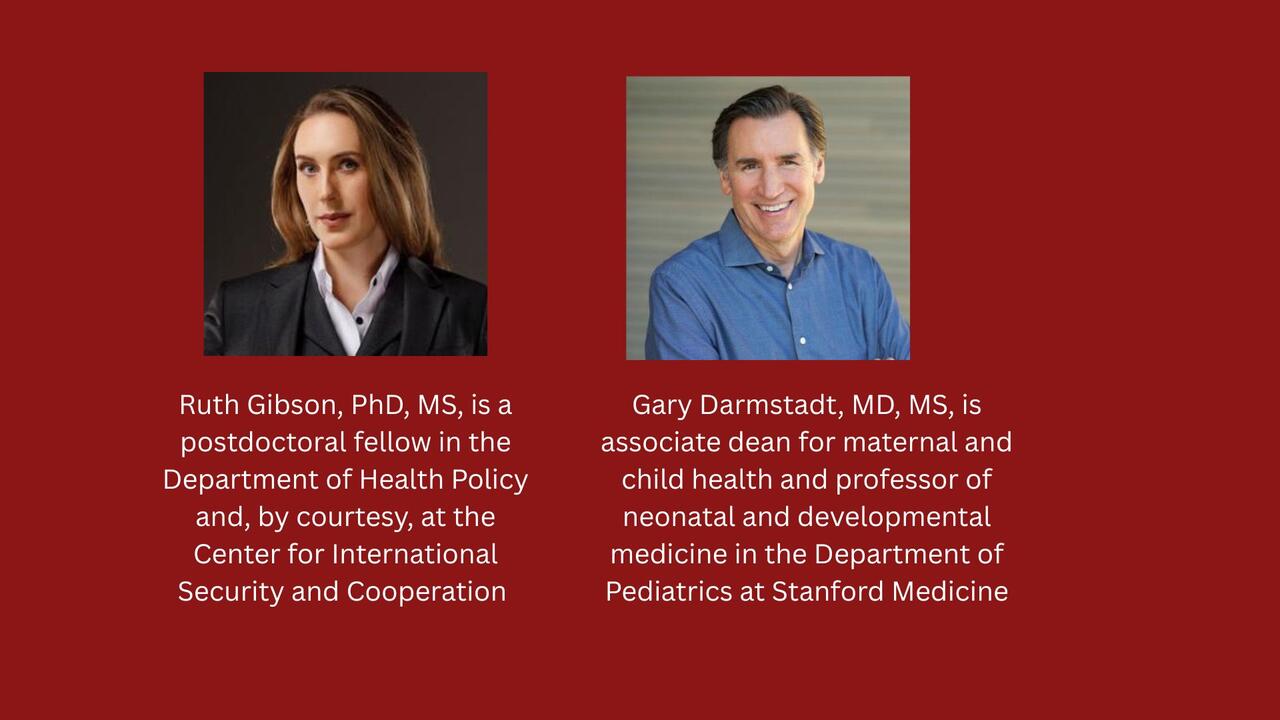
In this commentary, Ruth Gibson and Gary Darmstadt argue that academics can help shape sanctions policy by suggesting ways to reduce humanitarian harm.

Academics have long debated whether sanctions achieve their intended goals as they inadvertently impact local populations. In this commentary in The Lancet Global Health, which accompanies a new study about the effect of sanctions on age-specific mortality, SHP’s Ruth Gibson and Stanford Medicine’s Gary Darmstadt argue that scholars who continue to advance the field of sanctions and humanitarian outcomes should include investigations into how sanctions affect the local population and outline proposed mechanisms of impact.
“In this way, we can move towards a future where scholars can inform policy debates and contribute to the design of effective sanctions, while minimizing human suffering, especially among the most vulnerable subsets of the population,” they write.
Read Full Commentary in The Lancet Global Health